Thinking about Lakewood Ranch but unsure where to start? You’re not alone. This community is big, varied, and full of choices that affect your budget and lifestyle. In a few minutes, you’ll understand how the villages work, what fees to expect, and how to weigh new construction against resale options like a pro. Let’s dive in.
How Lakewood Ranch is organized
Lakewood Ranch is a master-planned community made up of multiple villages. Each village can have different builders, amenities, rules, and price points. Instead of treating it like one neighborhood, think of it as a set of distinct areas that share a broader brand and location.
The community spans county lines. Most of Lakewood Ranch is in Manatee County, with portions in Sarasota County. County lines influence things like school assignments, property tax handling, and permitting. Always verify the county for any specific property you’re considering.
Home types you’ll see
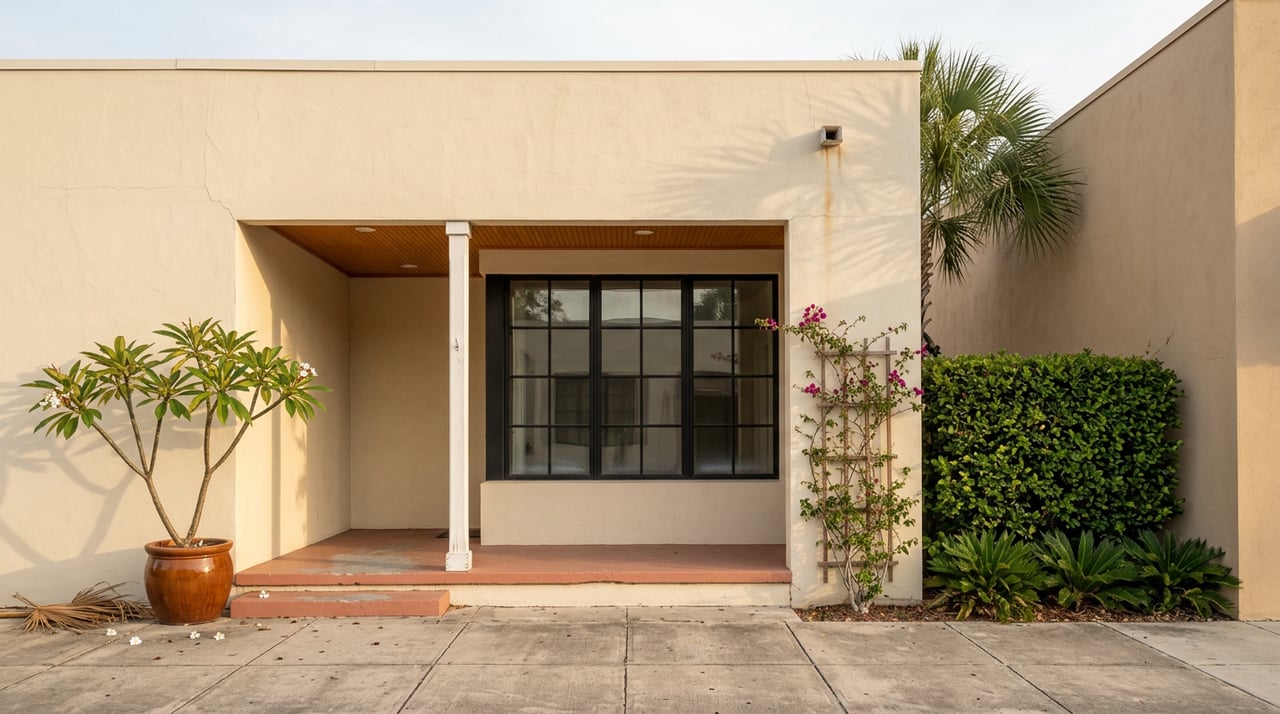
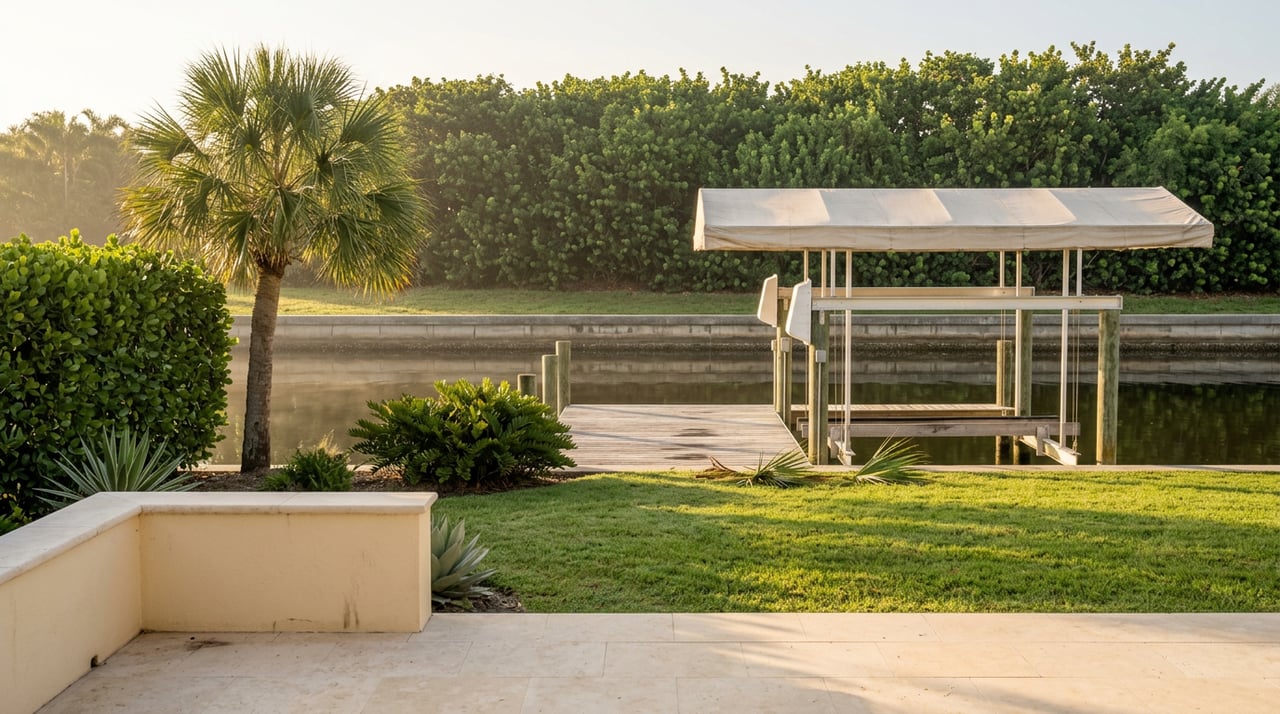
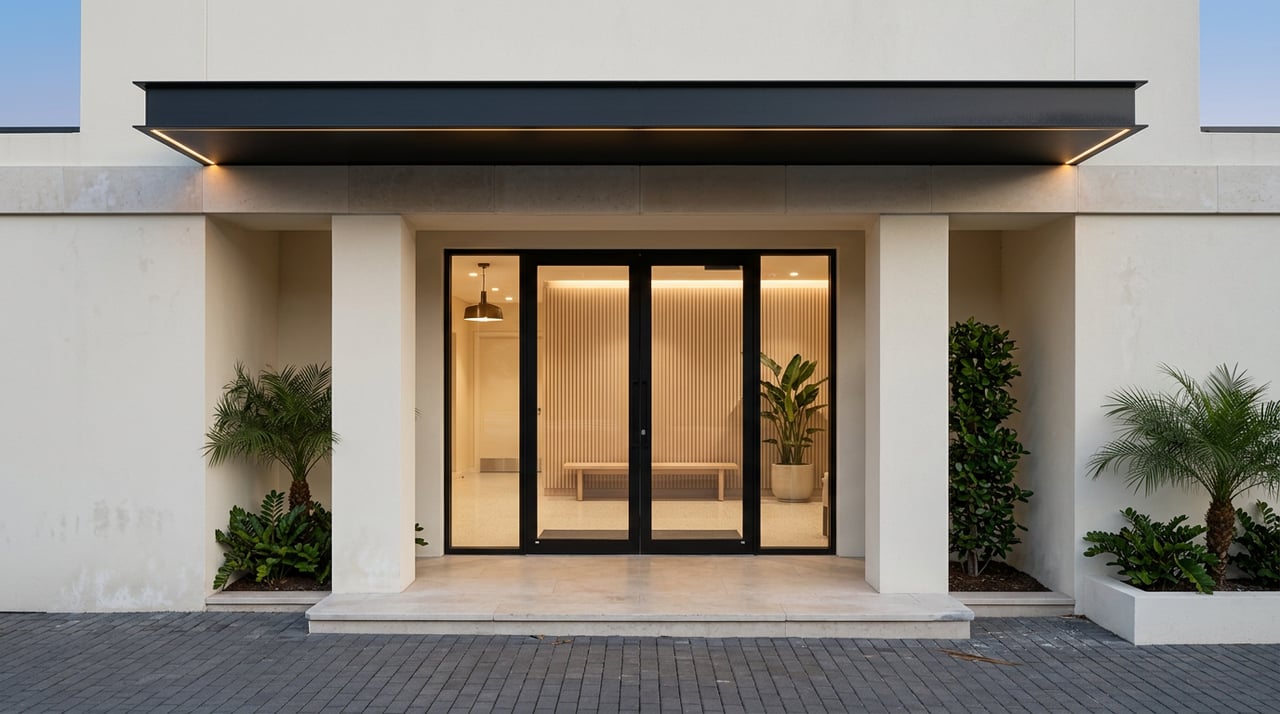
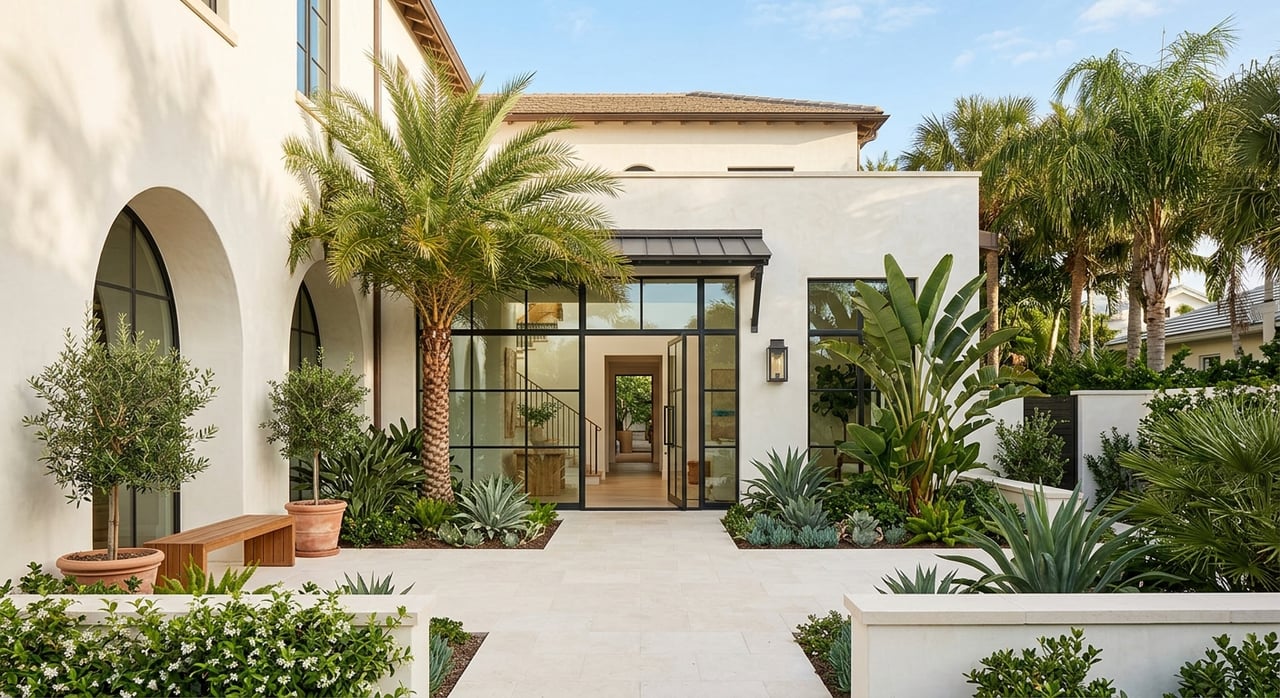
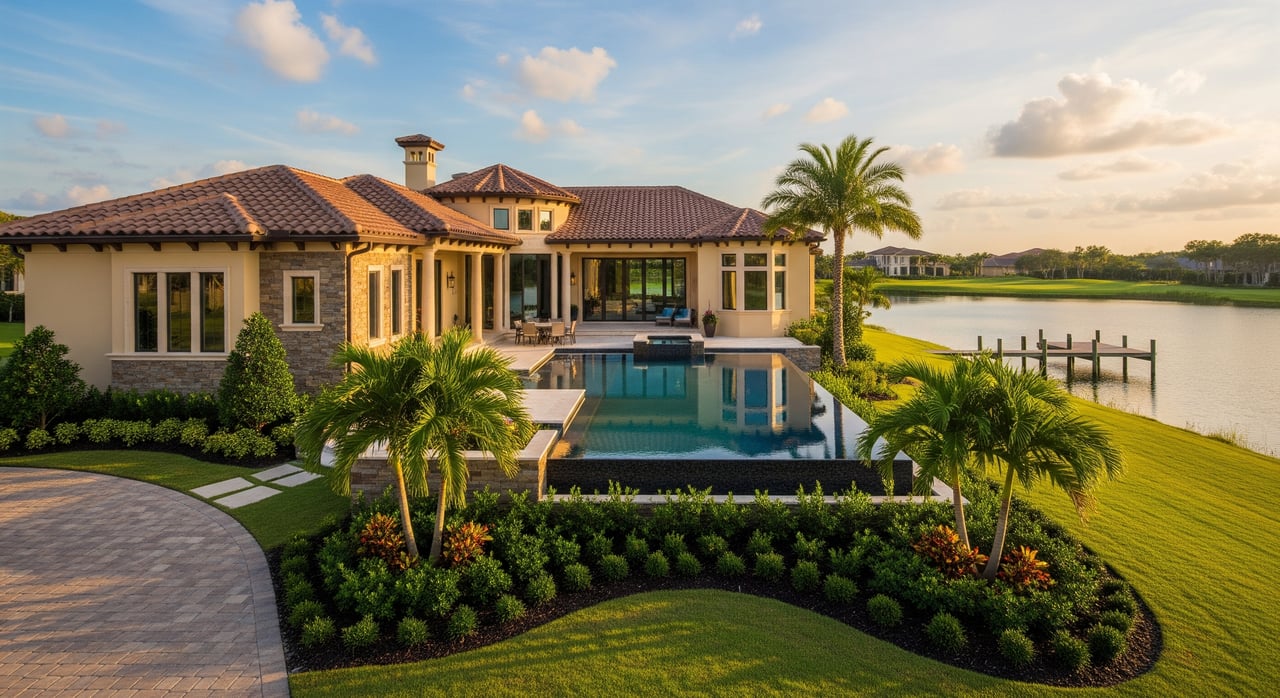
You’ll find a mix of product types across the villages. Single-family homes are the most common, ranging from practical floorplans to luxury estates on larger lots. Lot size, views, and proximity to amenities vary by village and often by subsection within a village.
For lower-maintenance living, paired villas and attached homes are popular. Townhomes and condo-style options tend to cluster near more walkable or mixed-use areas. There are also age-restricted active-adult villages with tailored amenities and programming.
Some neighborhoods focus on golf or club lifestyles with gated entries and private facilities. You’ll also see a split between spec homes ready on quicker timelines and presale opportunities where you choose a plan and finishes before construction.
HOA, CDDs, and clubs: who does what
Most villages have a homeowners association or a condominium association. The HOA handles covenants, collects dues, and operates village-level amenities like pools, clubhouses, and fitness rooms. A master association or developer entity may oversee shared branding and big-picture infrastructure.
Florida communities often use Community Development Districts. A CDD finances infrastructure such as roads, drainage, and amenities through bonds. The CDD collects annual assessments, usually on your tax bill or as a separate line item. Not every village is in the same CDD, so always review parcel-specific records.
Private country clubs and golf facilities are separate from HOAs and CDDs. They can have their own initiation fees, monthly dues, and membership policies. Some neighborhoods have mandatory memberships, while others are optional. Verify the rules before you fall in love with a home.
What fees typically cover
HOA dues usually fund common-area landscaping, lake and trail care, amenity operations, and sometimes security or gate staffing. Some villages include landscape maintenance for your lot or bundle certain utilities. The exact scope varies, so confirm what is included.
CDD assessments repay long-term infrastructure costs and may cover maintenance for roads or stormwater systems. These are not the same as HOA dues. In private-club communities, expect separate club costs on top of HOA and CDD.
It is smart to ask whether the association has levied special assessments, how reserves are funded, and whether the current budget appears healthy. Financials and recent meeting minutes can give you a clear picture.
Rules, rentals, and restrictions
Covenants and design rules are part of life in most villages. These can cover exterior paint colors, roof materials, landscaping, parking, and fence and patio guidelines. Rules help maintain a consistent look and can support property values, but they do limit customization.
Rental policies vary by village. Some limit short-term rentals or require a waiting period before you can rent. If you plan to rent your home now or later, review rental rules early in your search.
Active-adult villages use age verification and have specific guest policies. Make sure you understand eligibility and program details before writing an offer.
New build vs resale: which fits you
New construction offers customization, energy-efficient systems, and builder warranties. If you buy early in a phase, you may pick your lot and finishes. The trade-off is cost and timing, since lot premiums and upgrades add up and presales can take months to complete. Builder policies and included features vary, so ask for everything in writing.
Resale homes offer quicker occupancy and mature landscaping. You can compare against recent sales to gauge value and sometimes negotiate on price or concessions. The trade-off is potential updates or deferred maintenance, so inspections are essential.
Market cycles matter. When builders have a strong pipeline, incentives like closing-cost help or rate buydowns can appear. When resale supply is tight, sellers may hold more leverage. Seasonal patterns also shape timing in Florida, so plan your search with a realistic window.
Quick comparison
- New build advantages: customization, warranties, modern systems.
- New build trade-offs: premiums for lots and upgrades, longer timelines, CDD impact in new phases.
- Resale advantages: faster move-in, mature yards and improvements, clearer comps.
- Resale trade-offs: possible repairs or updates, less modern systems, limited or expired warranties.
Due diligence checklist
Before you commit, request and review the right documents. This helps you budget, avoid surprises, and compare villages on real substance.
- HOA or condo governing documents, including CC&Rs and bylaws.
- Most recent HOA budget, reserve study, and financial statements.
- HOA meeting minutes for the last 6 to 12 months.
- Notes on any pending special assessments or current litigation.
- CDD engineer reports and the current assessment schedule.
- Private club membership agreements, fee schedules, and transfer policies, if applicable.
- Builder warranty details and included features list, if new construction.
- Professional inspections for resale homes, including roof, HVAC, pest, and structural.
- Confirmation of county, school zone, and any local permitting needs.
- FEMA flood zone status and elevation information, plus insurance guidance.
Timelines and budget planning
If you buy a resale, a typical closing often runs 30 to 60 days depending on financing and negotiations. With new construction, a presale can take months. Spec homes shorten the wait, but still confirm completion status.
Build your monthly budget with all recurring costs in mind. Include HOA dues, CDD assessments, property taxes, wind and hurricane insurance, and flood insurance if your property is in a mapped flood zone. If a private club interests you, add initiation and monthly dues. Clarity upfront helps you choose the right village and home type.
County lines, schools, and insurance
Lakewood Ranch crosses county boundaries. Property location within Manatee or Sarasota County can influence school assignments, tax handling, and which agencies manage records. Always verify the county and confirm school zoning with the appropriate district.
Insurance is a key Florida budget item. Wind and hurricane coverage can be significant, and some properties may require flood insurance depending on the FEMA flood map and property elevation. Ask for recent insurance information and any elevation certificates available.
How I help you compare options
You want a smooth move and a smart investment. That starts with comparing villages and product types based on your timing, budget, and lifestyle goals. I help you identify realistic options, request complete HOA and CDD disclosures, coordinate inspections, and understand builder policies and warranties so you can decide with confidence.
If you are relocating or moving up within the area, you also get concierge-level coordination and clear market context at every step. When you are ready to take the next step, connect with Stephanie Seacat to map your path in Lakewood Ranch.
FAQs
What is a CDD in Lakewood Ranch and how does it affect my taxes?
- A Community Development District finances infrastructure and collects annual assessments, typically shown on your tax bill or as a separate line item; review the parcel’s current schedule before buying.
How much are HOA fees in Lakewood Ranch and what do they include?
- Fees vary by village and product type, commonly covering common-area landscaping, amenities, and reserves; ask for the current budget and a written list of included services.
Are private club memberships required in some neighborhoods?
- Some club communities require membership while others are optional; verify the neighborhood documents and review current initiation fees, dues, and transfer policies.
Should I buy new construction or a resale home here?
- Choose new construction for customization and warranties if your timeline allows, or opt for a resale for faster occupancy and mature improvements; compare total costs, incentives, and inspection results.
How long does a new build take compared with a resale closing?
- Presale new construction can take months depending on phase and builder, while resale closings often take 30 to 60 days based on financing and negotiations.
Do county lines affect schools and taxes in Lakewood Ranch?
- Yes, the community spans Manatee and Sarasota counties, so confirm the property’s county, school zone, and tax details with the relevant offices before you make an offer.