Thinking about turning a slice of Longboat Key into a vacation rental? With winter snowbirds, beach-loving families, and island amenities, the right property can perform well. At the same time, rules, seasonality, and setup decisions can make or break your returns. In this guide, you’ll learn how demand works on Longboat Key, what minimum rental periods and compliance items to verify, how seasonality affects revenue, realistic furnishing budgets, and your management options. Let’s dive in.
Why Longboat Key attracts renters
Longboat Key is a Gulf Coast barrier island between Sarasota and Bradenton. It draws seasonal visitors seeking beaches, boating, fishing, and easy access to nearby cultural attractions. The winter climate fuels extended stays, while spring and summer bring families and weekend travelers. Matching your property to these demand drivers is the first step to a smart purchase.
Demand patterns to expect
- Seasonal and extended stays: November through April often brings multi-week to multi-month bookings from snowbirds who value weekly or monthly rentals.
- Short stays and weekends: Spring, summer, and holiday weekends attract families and leisure travelers for shorter trips.
- Unit mix: Larger 2–3 bedroom homes and condos appeal to families and groups. One-bedroom condos often attract couples and seasonal guests.
Look for beachfront or water-view properties, strong onsite amenities, and evidence of stable winter bookings at premium rates. Compare condo buildings against single-family options, and study how HOA rules affect rental potential.
Know the rules first
Longboat Key spans Manatee and Sarasota counties, and regulations can vary by town, county, and HOA. Before you buy or list, confirm every requirement in writing. Local ordinances, condo bylaws, and tax obligations shape both your income and your risk.
What to verify before you buy
- Short-term rental registration or licensing: Ask whether the Town of Longboat Key requires business or rental permits for stays under 30 days.
- Minimum rental periods: Some areas set minimums like 7 or 30 days. HOA rules may be more restrictive than municipal code.
- Zoning and occupancy: Check limits on unrelated occupants, parking, and any zoning rules for vacation rentals.
- Taxes and remittance: Understand state sales tax, local discretionary sales surtax, and county tourist development taxes in Manatee and Sarasota counties.
- Insurance coverage: Confirm your policy allows short-term rental use and review windstorm and flood needs.
- Safety and nuisance rules: Fire safety, egress, signage, noise, and parking expectations should be clear and compliant.
Obtain HOA covenants, speak with town staff about registration and minimum stays, and ask the seller for rental history and proof of compliance. Build in the possibility of future regulatory changes when you underwrite the deal.
Seasonality and revenue swings
Seasonality is the heartbeat of Longboat Key vacation rentals. High season often runs from late fall through early spring, when ADR and occupancy are typically stronger and bookings last longer. Shoulder seasons can remain healthy, while summer brings heat and hurricane risk that can dampen demand outside of holiday spikes.
- High season (Nov–Apr): Expect higher ADR and longer, often weekly or monthly bookings that reduce turnover.
- Shoulder season: Spring can be strong, while fall depends on storms and school calendars.
- Low season (summer): Lower ADR and occupancy are common, though holidays and family trips can still perform.
Many owners rely on winter for a large portion of annual revenue. Plan for uneven monthly cash flow and consider dynamic pricing to capture peak demand while remaining competitive in slower months.
Build a conservative cash flow model
A clear model helps you compare properties and avoid surprises. Map the year by season and apply realistic ADR and occupancy assumptions based on comparable rentals.
- Project gross revenue by season: List expected weekly or monthly bookings and ADR for each period.
- Subtract platform and processing fees: Include Airbnb/VRBO host fees or channel commissions.
- Subtract management: If using a manager, apply their fee to rental revenue.
- Subtract cleaning and turnovers: Budget per stay, plus periodic deep cleans and linen replacement.
- Subtract operating costs: Utilities, HOA dues, internet/cable, landscaping, pool, routine maintenance, and guest supplies.
- Subtract insurance, property tax, and mortgage: Get quotes that reflect STR usage and local hazard risks.
- Add reserves: Set aside funds for maintenance, capital items, and hurricane preparation or repairs.
Use conservative ADR and occupancy assumptions. Run best, expected, and worst-case scenarios, including downtime for storms or insurance cost increases. If you plan to accept longer monthly bookings in winter, note the trade-off between lower per-night rates and fewer turnovers.
Management options compared
How you manage the rental affects both net income and peace of mind. Choose an approach that fits your time, location, and risk tolerance.
Self-management
- Pros: Lower fees and full control of guest experience and calendar.
- Cons: Time intensive for communication, turnovers, maintenance, and emergencies, especially if you live out of area.
Local professional manager
- Services: Listing setup, dynamic pricing, guest communication, 24/7 support, housekeeping, maintenance coordination, and help with compliance and tax remittance.
- Fees: Full-service fees commonly range from the mid-teens to low-30s percent of rental revenue, with a la carte options available.
- Pros and cons: Scalable and can improve ADR and occupancy, but fees reduce net and performance varies by firm. Review references and contracts carefully.
Hybrid approach
- Split responsibilities: You handle bookings and guest relations while local vendors manage cleaning and emergency maintenance. Some owners use platform co-hosts to divide tasks and fees.
Furnishing and setup budget
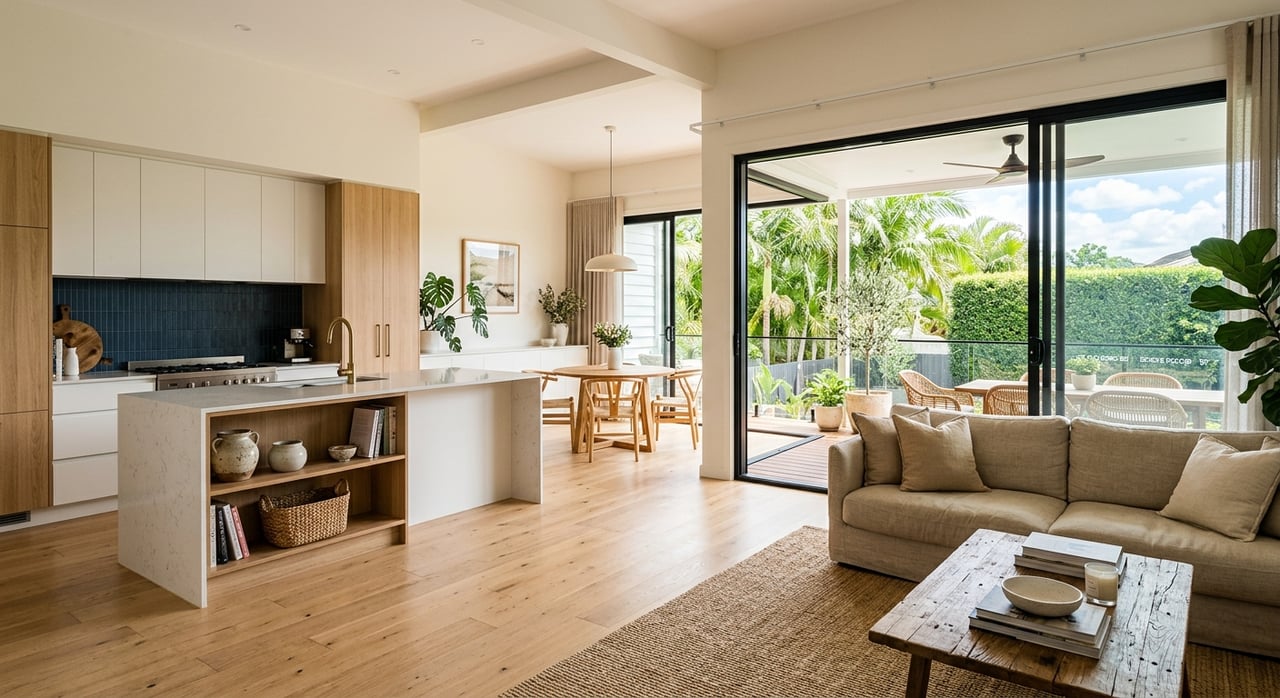
Vacation guests expect durable, comfortable, and easy-to-clean finishes with a coastal vibe. Plan for a full kit that supports photos, reviews, and low drama turnovers.
- Components: Furniture, quality mattresses, window treatments, kitchenware, small appliances, linens and towels, beach gear, TVs and streaming, smart locks, outdoor furniture, decor, and safety devices.
- Estimated ranges:
- Basic, small 1-bedroom condo: Low five-figure total is common for a simple turnkey setup.
- Mid-range 2-bedroom: Often mid-five to low-six figures for higher quality, durable finishes.
- High-end gulf-front: Costs scale with designer selections, custom pieces, and outdoor living.
- Pro tips: Invest in great mattresses and a durable sofa, and pay for professional photography. Keep a replacement reserve for linens and wear items.
Operations that boost reviews
Guest experience determines your calendar and your ADR. Aim for clarity, comfort, and consistency in every stay.
- Essentials: Fast internet, climate control, full kitchen kit, washer/dryer access, convenient parking, and outdoor space.
- Extras that matter: Beach chairs, umbrellas, and local recommendations.
- Cleanliness and turnovers: Set market-appropriate cleaning fees, schedule deep cleans, and monitor laundry and inventory. Longer weekly or monthly winter stays can lower per-night turnover costs.
Action steps for investors
Set yourself up for a confident offer and a smooth launch by following a clear checklist.
- Verify regulations: Contact the Town of Longboat Key to confirm registration and minimum stays, review HOA documents, and check county and state tax obligations for Manatee and Sarasota.
- Validate the market: Pull ADR and occupancy estimates from short-term rental analytics tools and compare similar Airbnb/VRBO listings and local manager portfolios.
- Model the numbers: Build a 12-month cash flow with conservative assumptions, management and platform fees, cleaning, insurance, property tax, and reserves. Run scenario cases.
- Get professional advice: Speak with a local CPA on Florida STR tax treatment, obtain insurance quotes that include STR, wind, and flood, and consult a real estate professional who knows Longboat Key’s HOA and regulatory landscape.
- Prepare operations: Budget for furnishing, pro photos, listing optimization, a reliable cleaning team, and 24/7 maintenance contacts. Decide on self, full-service, or hybrid management.
Local guidance for your next step
If you want an experienced, concierge-level guide to identify the right Longboat Key property, align it with your revenue goals, and navigate HOA and regulatory considerations, let’s talk. With deep Sarasota–Bradenton market knowledge and investor-focused guidance, you can move with clarity and confidence. Start your plan with Stephanie Seacat.
FAQs
Are short-term rentals legal on Longboat Key?
- Legality and requirements vary by location, building, and HOA, so confirm current town ordinances and association rules before you buy or list.
What minimum stay rules apply on Longboat Key?
- Minimums can be set by the town or your HOA, and they may differ by season; verify the exact rules for your address and building in writing.
How seasonal is rental income in Longboat Key?
- Expect a strong winter season with higher ADR and occupancy, variable shoulder seasons, and softer summer months with holiday spikes; plan cash reserves accordingly.
How much should I budget to furnish a condo?
- Budget from low five figures for a basic one-bedroom, mid-five to low-six figures for a well-appointed two-bedroom, and higher for luxury gulf-front setups.
Can I use the property myself and still rent it?
- Owner use is common, but it affects your booking calendar and may have tax implications; confirm HOA rules and discuss treatment with a CPA.