Dreaming about waking up near the sand on Siesta Key? A condo here can be a great fit, but the right purchase depends on much more than pretty views and beach access. If you are thinking about buying on the island, it helps to understand how location, building rules, condo finances, rental policies, and flood planning all shape the ownership experience. Let’s dive in.
Why Siesta Key condo choices vary
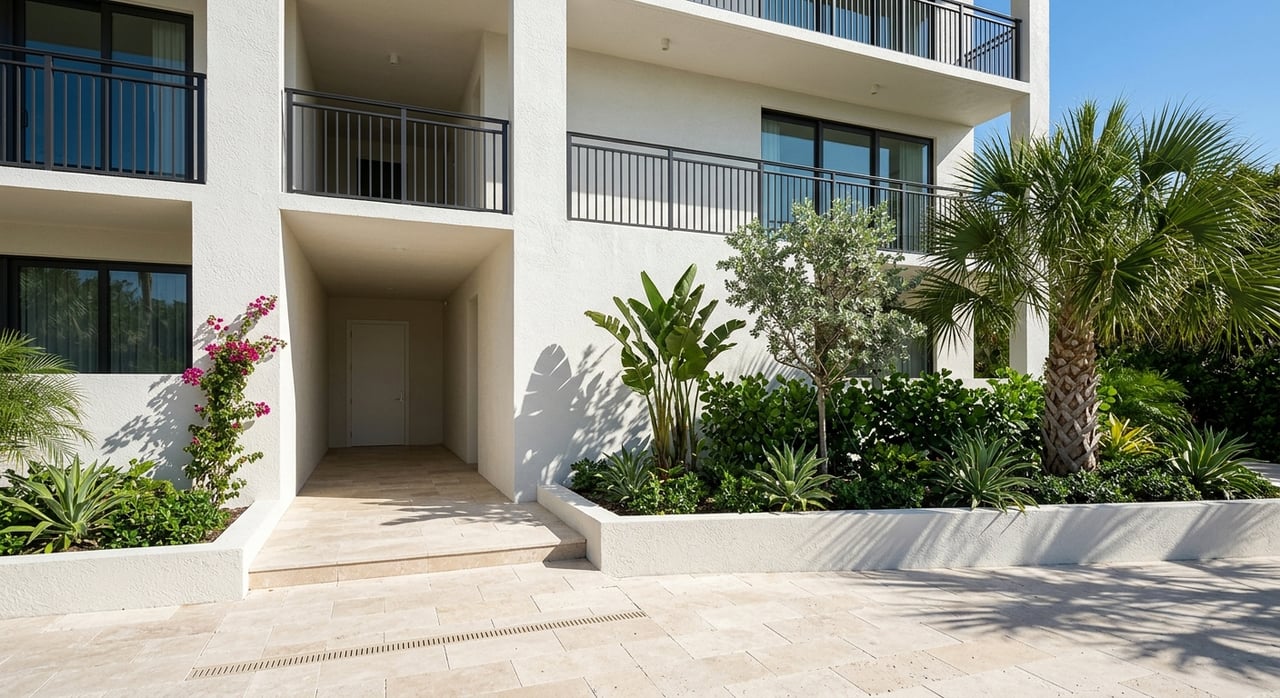
Siesta Key is not a one-style condo market. Local sources describe a mix of beachfront condos, beachside villas, bayfront options, village-adjacent units, and other resort-style properties. That means two condos at similar price points can offer very different lifestyles and ownership costs.
When you compare properties, think beyond the unit itself. On Siesta Key, micro-location often affects walkability, parking convenience, beach access, and how a building functions day to day. That is why the first question is often not just which condo, but which part of the island.
Location shapes daily life
Beachside condos
Beach-adjacent condos usually appeal to buyers who want quick access to the Gulf and county beach amenities. Siesta Beach is heavily used, county-managed, and has more than 950 free parking spaces. It is also served by the free 77 Siesta Islander trolley, which connects downtown Sarasota, Siesta Key Village, Siesta Beach, South Village, and Turtle Beach.
If beach time is your priority, this setup can be a major advantage. You may value being close to public beach access points, the trolley, and the activity around Siesta Beach. For many buyers, that convenience becomes part of the property’s long-term appeal.
Village-adjacent condos
If you picture walking to restaurants, shops, or services, Village-adjacent condos may feel like a better fit. The Siesta Key Chamber describes Siesta Key Village as a walkable district with restaurants, grocery access, sidewalks, benches, salon services, free on-street parking, and a short walk to Siesta Beach.
This part of the island offers a different kind of convenience. Instead of stepping out mainly for the beach, you may be stepping out for coffee, dinner, or an evening stroll. That lifestyle can be especially attractive for second-home buyers who want activity close by.
South Village and Crescent Beach access
South Village offers another version of island living. According to the Chamber, this area includes grocery access, beach equipment rental, fishing charters, a marina, and nightlife near Crescent Beach Access 12.
For some buyers, this strikes a strong balance. You may still have beach access nearby while also being close to practical services and a different social scene than the Village core. It is worth comparing how each area matches the way you actually plan to use the property.
Building type matters too
Older and smaller complexes
Siesta Key’s zoning overlay is designed to preserve island character and pedestrian life. The overlay can reduce signage, promote sidewalk-oriented development, limit impervious coverage in residential districts to 50 percent of a lot or parcel, and add special parking-surface and screening rules.
For buyers, that can have practical effects. Older or smaller complexes may have less room for expansion, reconfiguration, or additional hardscape than a mainland property. If you are considering updates or want flexibility down the road, the building’s setting and site constraints deserve a close look.
Not all condos function the same way
On Siesta Key, the same word, condo, can describe very different products. One building may be more focused on direct beach convenience, while another may be better for walk-to-dining access or a different ownership pattern. Even if two properties look similar online, their location and site design can create very different day-to-day experiences.
This is one reason due diligence matters so much on the Key. A polished unit interior does not tell you everything about parking, access, walkability, or future property limitations. Looking at the building as a whole is just as important as looking at the floor plan.
Condo fees and reserves deserve extra attention
Florida reserve rules changed the conversation
If you are buying in an older Florida condo building, association finances should be front and center. For condominium buildings that are three habitable stories or higher, Florida law requires a Structural Integrity Reserve Study, or SIRS, at least every 10 years. The study covers major components such as the roof, structure, fireproofing and fire protection, plumbing, electrical systems, waterproofing and exterior painting, windows and exterior doors, plus other qualifying items over $25,000 that affect those systems.
This matters because reserve funding is no longer something buyers can treat as a minor line item. For budgets adopted on or after December 31, 2024, members of a unit-owner-controlled association that needs a SIRS may not vote to fund less than the required reserves for protected items. In practical terms, monthly dues and special assessments may play a bigger role in ownership costs, especially in older buildings.
Deadlines can affect older associations
There is also timing pressure for many associations. Buildings existing on or before July 1, 2022 had to complete the SIRS by December 31, 2025, and if a milestone inspection is due on or before December 31, 2026, the SIRS can be done at the same time, but no later than December 31, 2026.
If you are comparing condos, ask where the building stands in that process. A property with completed studies and a clear funding plan may feel very different from one that is still sorting out inspections, reserves, or future projects.
Low-rise buildings may have different exposure
Not every condo has the same compliance picture. Florida’s SIRS requirement does not apply to buildings that are less than three stories in height. That does not mean you should skip document review, but it does mean low-rise and taller condo buildings can have very different reserve and inspection exposure.
This distinction is especially useful on Siesta Key, where building styles can vary widely. A low-rise complex may operate under a different financial and maintenance framework than a mid-rise or taller property nearby.
What documents you should request
Florida law gives buyers access to important condo documents. You are entitled to a current copy of the declaration, articles, bylaws and rules, annual financial statement and budget, the inspector-prepared milestone summary if applicable, the most recent SIRS or a statement that none exists, and the turnover inspection report if applicable.
Structural inspection reports and reserve studies are also part of the association’s official records and must be provided to potential purchasers. These records can help you understand not just the current dues, but the larger story behind the building’s condition and planning.
Rental rules are not one-size-fits-all
County rules and condo rules both matter
Sarasota County allows short-term rentals of RMF dwellings on the barrier islands for periods of less than 30 days, with recordkeeping requirements for the owner or managing agent. The Siesta Key Overlay District requirements still apply.
That said, county zoning is only part of the picture. A condo association’s declaration or rules may be more restrictive than the county baseline, so you should confirm both before you make an offer. This is especially important if rental income is part of your ownership plan.
Legacy exceptions are narrow
The county also grandfathered only certain short-term room rental units that existed before September 30, 2003 on the barrier islands. The code states that no additional short-term room rental units shall be allowed.
For investor-minded buyers, this is a key reminder not to assume broad short-term rental flexibility. The building’s specific documents and status matter, and they can shape the property’s income potential.
Flood and storm planning are part of island ownership
Buying on a barrier island means planning for more than just the closing. Sarasota County says all of Florida is in a flood zone, FEMA maps define risk, and homeowners insurance does not cover flooding. The county also notes that buildings in a special flood hazard area with a federally backed mortgage are required to carry flood insurance, and that flood insurance applications have a 30-day waiting period.
That makes flood-zone review an important part of your condo search. You will want to understand the building’s flood zone, what the association insures, and how your personal coverage may fit into the larger picture.
Hurricane and evacuation planning matter too. Sarasota County says evacuation notices are based on life-safety risk, and when sustained winds exceed 45 mph, emergency services may be suspended and bridges and barrier islands may close to traffic. For second-home buyers in particular, it is smart to ask how the association communicates before and after major weather events.
A smart pre-offer checklist
Before you get too far into negotiations, make sure you have clear answers to these questions:
- Has the building completed, or scheduled, its milestone inspection and SIRS?
- What do the monthly dues cover?
- How strong are reserves for the roof, structure, plumbing, electrical systems, waterproofing, windows, and exterior painting?
- Are any special assessments, loans, or reserve-backed projects already approved or likely?
- What is the written rental policy in the condo documents?
- How far is the unit from beach access, the Village, and the trolley?
- What flood zone is the building in?
- Does the property have redevelopment or hardscape limitations under the overlay district?
These questions can help you compare properties in a more practical way. A condo that looks perfect at first glance may feel very different once you understand the association’s finances, building obligations, and island-specific logistics.
The right condo depends on your goals
The best Siesta Key condo for you depends on how you plan to use it. If you want easy beach days, direct access and trolley convenience may top your list. If you care more about walkability, dining, and an active island setting, a Village or South Village location may make more sense.
For many buyers, the biggest wins come from matching lifestyle goals with building realities. When you understand the location tradeoffs, reserve requirements, rental rules, and flood planning upfront, you can shop with more confidence and fewer surprises.
If you are exploring Siesta Key condos and want local guidance that balances lifestyle fit with smart due diligence, Stephanie Seacat can help you compare options and navigate the process with clarity.
FAQs
What should you review before buying a Siesta Key condo?
- You should review the condo declaration, bylaws, rules, budget, annual financial statement, milestone inspection summary if applicable, and the most recent SIRS or statement that none exists.
How important is location when buying a Siesta Key condo?
- Location is a major factor because beachside, Village-adjacent, and South Village condos can offer very different access to the beach, dining, trolley service, and daily conveniences.
Do all Siesta Key condo buildings need a Structural Integrity Reserve Study?
- No. Florida’s SIRS requirement applies to condominium buildings that are three habitable stories or higher, not to buildings that are less than three stories.
Can you use a Siesta Key condo as a short-term rental?
- Some barrier-island RMF dwellings may be rented for less than 30 days under county rules, but you also need to confirm the condo association’s own rental restrictions before buying.
Why do condo fees matter so much on Siesta Key?
- Condo fees matter because reserve funding, maintenance obligations, inspections, and possible special assessments can significantly affect your total ownership cost, especially in older buildings.
What flood questions should you ask before buying a Siesta Key condo?
- You should ask what flood zone the building is in, what the association’s insurance covers, whether flood insurance may be required for your financing, and how the building plans for storm and evacuation events.