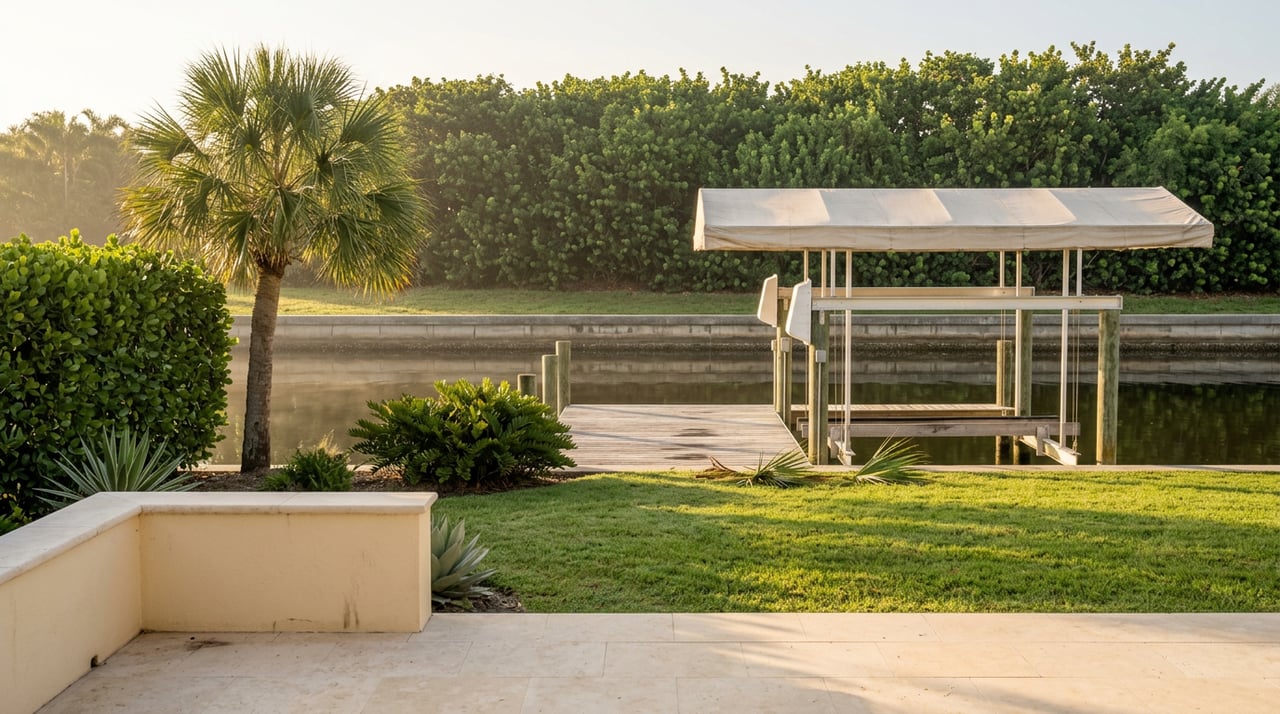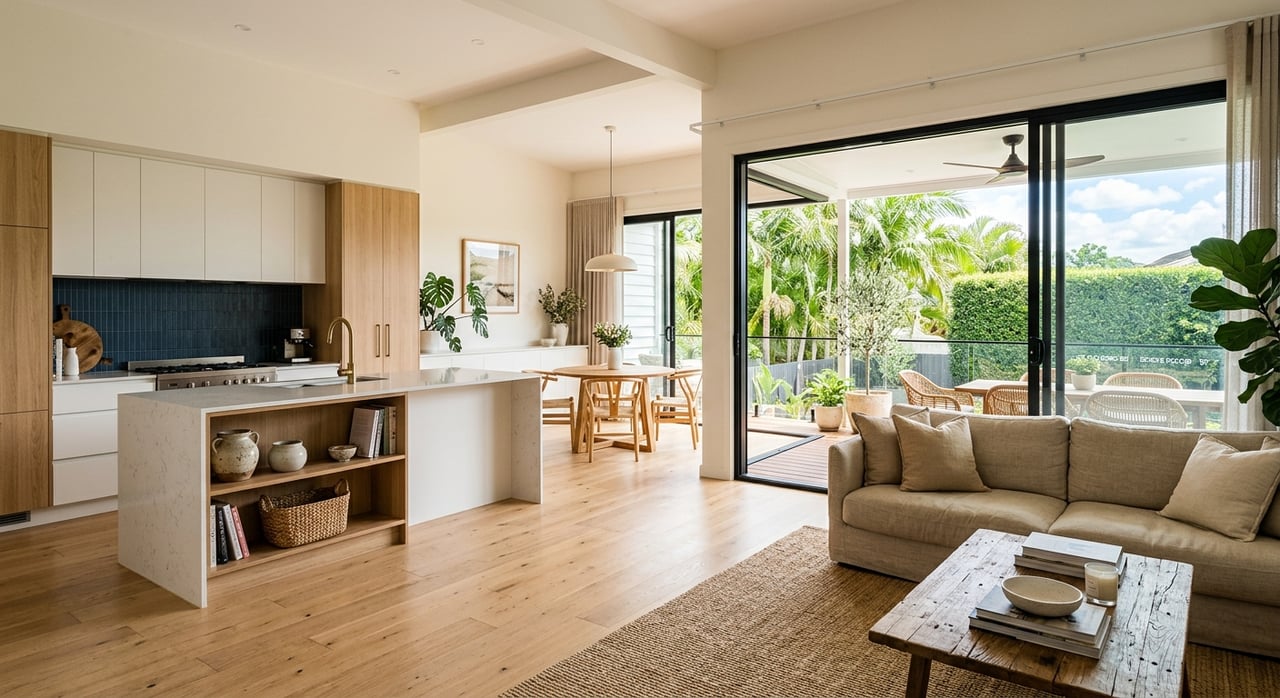
If you are eyeing Anna Maria Island as a vacation rental play, here is the first reality to know: there is no single island-wide rulebook. What works on one street or in one city may not work a few blocks away, and that can affect your budget, your use plans, and your long-term strategy. This guide will help you understand the key rules, costs, and practical ownership realities in Manatee County so you can evaluate property with more confidence. Let’s dive in.
Why Anna Maria Island Is Different
Anna Maria Island includes three cities: Anna Maria, Holmes Beach, and Bradenton Beach. Each city has its own local code for vacation rentals, while Florida law provides the baseline framework.
That matters because buyers often assume the island works as one uniform short-term rental market. In reality, parcel history, zoning, and legal nonconforming status can all shape what you can do with a specific property.
Florida Law Sets The Baseline
Under Florida law, a vacation rental is a transient public lodging establishment in a condominium, cooperative, or qualifying one- to four-family dwelling. Florida law also limits how local governments can prohibit vacation rentals or regulate their duration or frequency, while preserving local authority to inspect for building and fire code compliance.
For you as a buyer, that means statewide law is only the starting point. The real question is how the specific parcel fits within city rules, licensing requirements, and any existing legal use status.
City Rules Vary By Location
Anna Maria Rules To Know
The City of Anna Maria requires annual city registration, a current DBPR transient public lodging license, Florida Department of Revenue registration, and an active Manatee County Tax Collector tourist-tax account. The city also requires a separate vacation-rental license for each rental property.
As of December 31, 2025, the city reported 648 registered vacation-rental properties. That number shows how established the market is, but it also highlights how structured and compliance-driven ownership has become.
Holmes Beach Rules To Know
Holmes Beach has its own land development code and includes a seven-consecutive-day minimum in certain residential contexts. The code also treats resort housing as parking-intensive, requiring two parking spaces per dwelling unit plus one additional space for each bedroom over two.
For you, that means parking is not a small detail. A home with strong guest appeal still may be a poor fit if the lot cannot comfortably support the required off-street parking pattern.
Bradenton Beach Rules To Know
Bradenton Beach regulates transient public lodging through its own Chapter 59. Buyers should verify exact use rights and operating rules for the specific parcel rather than assume the same standards apply across the island.
This is one of the biggest takeaways for investors and second-home buyers alike. On Anna Maria Island, due diligence has to happen at the property level, not just the city level.
Permits And Taxes You Need To Model
Vacation rentals on the island typically involve several layers of compliance. At the state level, DBPR licenses vacation rentals, and new public lodging operators, as well as new owners of existing establishments, must obtain a license before operating.
In Manatee County, the total tourist tax burden on rentals or leases of six months or less is 13%. Of that, 6% is collected and remitted to the county tax collector, and 7% is collected and remitted as state sales and use tax.
The county also states that cleaning fees, pet fees, resort fees, and mandatory travel insurance are taxable. That is important when you are projecting revenue, because your taxable rental income may be higher than just the nightly rate.
Platform Collection Is Not Automatic
Manatee County notes that it does not have agreements with Airbnb, HomeAway, or VRBO. Owners remain responsible for collecting and remitting the county tourist tax unless their specific platform arrangement says otherwise.
In plain language, you should not assume a booking platform is handling everything for you. Before closing, it is smart to understand who is responsible for collection, remittance, and recordkeeping.
Operating Reality Is More Hands-On Than Many Buyers Expect
On Anna Maria Island, vacation rental ownership often looks more like hospitality management than passive real estate ownership. The more a property is designed for higher occupancy, the more systems you usually need for guest communication, turnover, compliance, and issue response.
That includes noise control, parking control, trash handling, and fast response when problems come up. These are not side tasks. In many cases, they are central to staying compliant and protecting your ability to operate.
Occupancy And Parking Matter
In the City of Anna Maria, maximum occupancy is capped at the lesser of two persons per bedroom or a total of eight occupants per rental, including day guests. The city defines a bedroom as a room of 70 square feet or more.
The city also requires one off-street parking space per bedroom in many residential contexts and prohibits on-street parking and parking in the right of way for vacation rentals. If a property has limited parking, that can affect both guest experience and operational risk.
Guest Conduct Is Part Of Compliance
Anna Maria sets quiet hours from 10:00 p.m. to 8:00 a.m. Pool, spa, and hot tub use is limited to 10:00 a.m. to 10:00 p.m.
The city also requires at least one landline phone capable of calling 911. Written rental agreements must include the maximum occupancy, names and ages of occupants, vehicle tag numbers, parking locations, and the guest’s agreement to follow the city chapter.
Repeated violations can lead to license suspension. That means screening, clear guest instructions, and active property management are all part of the ownership equation.
Trash And House Rules Count Too
Anna Maria requires one trash storage container per three occupants, or fraction thereof. In certain districts, side-door pickup service is required, and house rules must be posted at the entrance.
These details may seem small during a showing. Once the home is operating, though, they become part of your ongoing management workload and cost structure.
Larger Homes Can Mean Larger Burdens
Anna Maria’s 2025-2026 vacation-rental fee schedule offers a useful clue for buyers comparing property types. Fees ranged from $419.12 at occupancy 4 to $3,038.62 at occupancy 29.
That does not mean larger homes are bad investments. It does mean that higher occupancy often comes with more licensing cost, more oversight, more parking pressure, and more day-to-day administration.
If your goal is more personal use and less operational complexity, a lower-capacity property may be easier to own. If your goal is maximum gross revenue potential, you should be prepared for the added management burden that often comes with that strategy.
Seasonality Should Be Built Into Your Numbers
There is no official public island-wide occupancy series in the sources reviewed for private vacation rentals. The safer approach is to underwrite demand as seasonal and weather-sensitive rather than flat across the year.
Climate normals for the Sarasota-Bradenton area support the common market expectation that winter and holiday periods are generally stronger than late summer and early fall shoulder months. That should be treated as a planning assumption, not a guaranteed occupancy statistic.
Expenses Are Usually Heavier Than Long-Term Rentals
Short-term rental expense lines are often more substantial than for a long-term lease. You may need to budget for cleaning and linen turnover, pest control, pool and spa service, landscaping, utilities, platform commissions, storm-preparation reserves, insurance reserves, and routine compliance administration.
Because Manatee County treats cleaning and similar mandatory guest charges as taxable rental revenue, it is especially important to build your pro forma carefully. Gross revenue can look attractive on paper, but net performance depends on realistic operating assumptions.
HOA And Condo Rules Can Override Your Plan
City approval is only one gate. Condominium declarations, bylaws, and homeowners association rules can be more restrictive than the city.
Florida condominium law allows declarations to include covenants and restrictions on use and occupancy. In practical terms, a property can be city-legal for vacation rental use and still be limited or blocked by association rules.
Before you buy, confirm:
- Whether short-term rental use is allowed at all
- Any minimum rental period
- Occupancy or guest limits
- Approval or registration requirements
- Rules that affect parking, trash, and amenity use
Smart Questions To Ask Before You Buy
If you are considering a vacation rental property on Anna Maria Island, focus on a few core questions early:
- Does this specific parcel allow short-term rental use?
- What city governs the property?
- What is the minimum stay requirement?
- How many guests are allowed?
- What licenses, registrations, and tax accounts are required?
- Are there HOA or condo restrictions?
- Does the property have enough off-street parking?
- Can you realistically manage noise, trash, and guest response?
These questions can save you from buying a property that fits the dream but not the operating reality.
What This Means For Buyers In Manatee County
Anna Maria Island can be a compelling market for second-home buyers and investors, but it rewards careful due diligence. The opportunity is real, yet so is the complexity.
The best purchases here usually happen when you match the property to your goals. If you want simple ownership and meaningful personal use, a lower-intensity setup may fit better. If you want stronger income potential, make sure you are also ready for the higher compliance and management load that often comes with it.
If you want help evaluating a property on Anna Maria Island or anywhere in the Sarasota-Bradenton Gulf Coast, Stephanie Seacat offers concierge-level guidance grounded in local market knowledge and clear, practical advice.
FAQs
What vacation rental rules apply on Anna Maria Island?
- Vacation rental rules depend on the specific city and parcel. Anna Maria, Holmes Beach, and Bradenton Beach each have their own local codes, while Florida law provides the statewide baseline.
What taxes apply to vacation rentals in Manatee County?
- In Manatee County, rentals or leases of six months or less carry a total 13% tax burden, with 6% remitted to the county tax collector and 7% remitted as state sales and use tax.
What permits are needed for an Anna Maria Island vacation rental?
- Depending on the property location, owners may need a DBPR license, Florida Department of Revenue registration, a Manatee County tourist-tax account, and city registration or a city vacation-rental license.
What occupancy limits does the City of Anna Maria set for vacation rentals?
- The City of Anna Maria caps occupancy at the lesser of two persons per bedroom or eight total occupants per rental, including day guests.
What parking rules matter for Anna Maria Island vacation rentals?
- Parking is a major compliance issue. Anna Maria requires off-street parking in many residential contexts and prohibits on-street parking and parking in the right of way for vacation rentals, while Holmes Beach also applies specific off-street parking standards.
Can an HOA or condo association block vacation rentals on Anna Maria Island?
- Yes. Even if city rules allow vacation rentals, condo or HOA documents may impose stricter limits or prohibit that use entirely.